

The U.S. economy is currently experiencing a complex interplay of factors affecting growth, employment, and inflation. Understanding these elements is crucial for both policymakers and citizens.
Economic Growth and Employment
Recent assessments indicate that the U.S. economy is poised for accelerated growth. The International Monetary Fund (IMF) projects a 2.4% increase in gross domestic product (GDP) for the fourth quarter of this year, up from 2.2% in the previous year. Additionally, unemployment rates are expected to decline from 4.5% to 4.1%, signaling a strengthening labor market.
Inflation and Consumer Prices
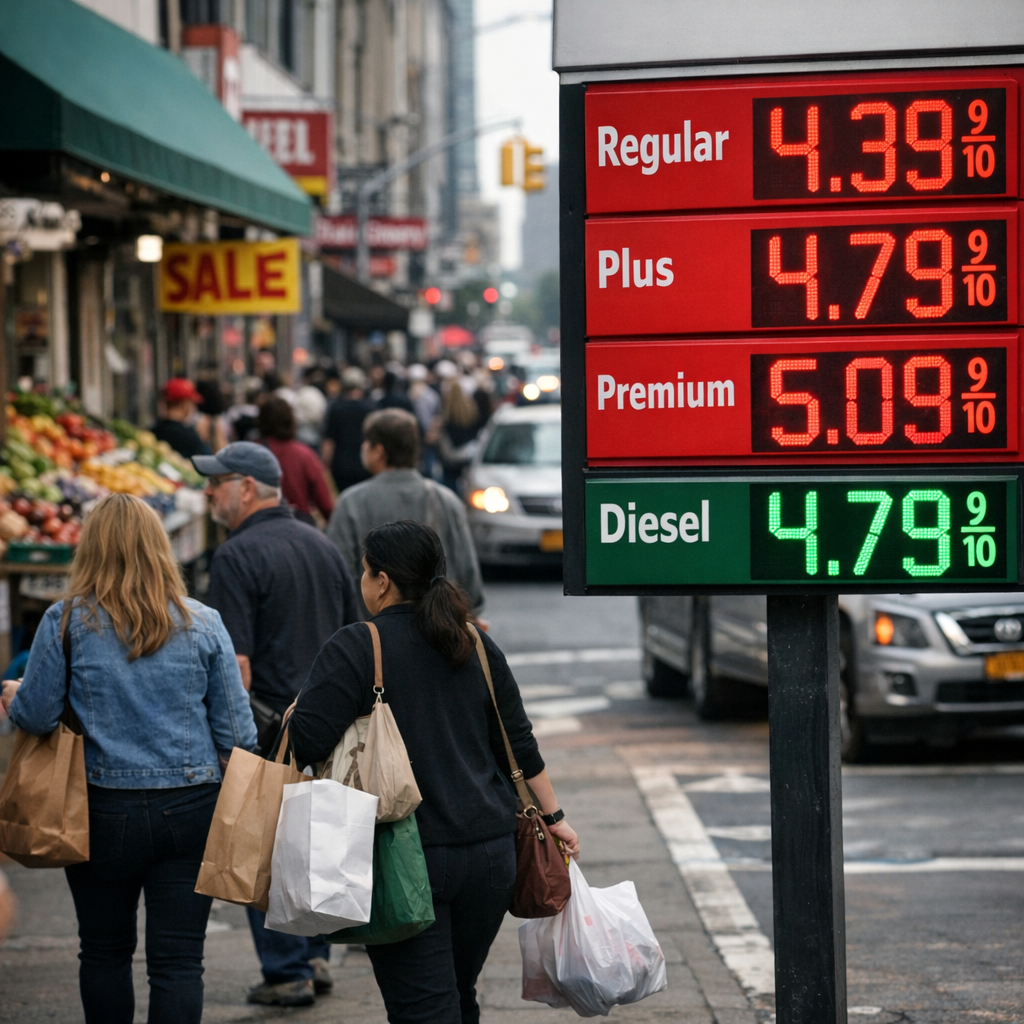
Inflation remains a significant concern, with rates reaching 3.8% in April, the highest in three years. This uptick is largely attributed to rising energy costs, particularly due to geopolitical tensions affecting global oil supply. Consequently, gas prices have surged, with national averages exceeding $4.50 per gallon and some states experiencing prices above $5.
Public Sentiment and Political Implications
Public dissatisfaction with economic policies is evident. A recent CBS News/YouGov poll reveals that 70% of Americans feel “angry” or “frustrated” about the current administration’s handling of the economy. This sentiment could have significant implications for upcoming elections, as economic issues often influence voter behavior.
Looking Ahead
While the economy shows signs of growth, challenges such as inflation and public dissatisfaction persist. Policymakers must navigate these complexities to foster a stable and prosperous economic environment.