

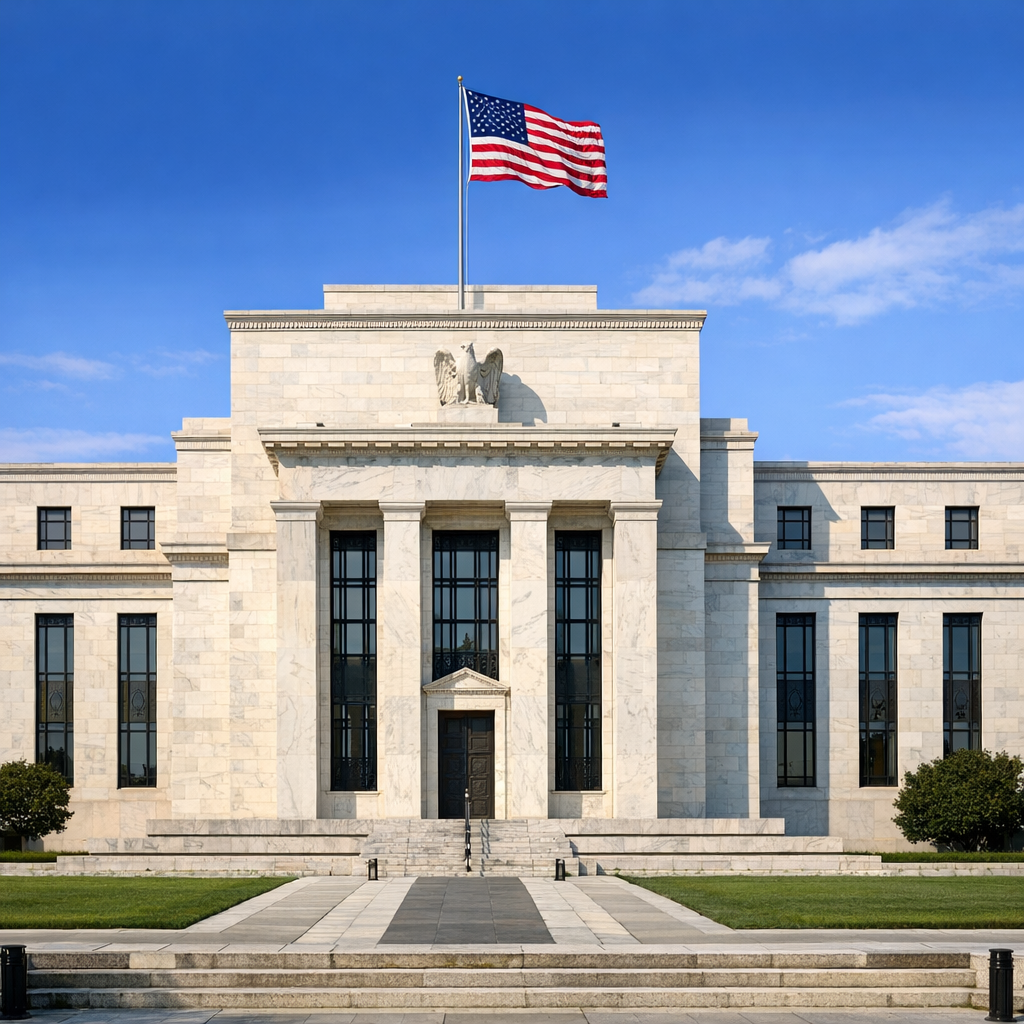
Inflation, the rate at which the general level of prices for goods and services rises, eroding purchasing power, is a critical concern for economies worldwide. In the United States, the Federal Reserve (the Fed) plays a pivotal role in managing inflation to ensure economic stability.
The Federal Reserve’s Mandate
The Federal Reserve operates under a dual mandate: to promote maximum employment and to maintain stable prices. Balancing these objectives requires careful monitoring and adjustment of monetary policies.
Tools for Controlling Inflation
To manage inflation, the Fed primarily uses the following tools:
1. Interest Rate Adjustments
By raising or lowering the federal funds rate—the interest rate at which banks lend to each other overnight—the Fed influences borrowing costs for consumers and businesses. Higher rates typically reduce spending and investment, helping to cool an overheating economy and curb inflation.
2. Open Market Operations
The Fed buys or sells government securities in the open market to regulate the money supply. Purchasing securities injects liquidity into the banking system, encouraging lending and spending, while selling securities withdraws liquidity, aiming to restrain inflationary pressures.
3. Reserve Requirements
By altering the amount of reserves banks must hold, the Fed can influence the amount of money banks can lend. Increasing reserve requirements restricts lending capacity, which can help reduce inflation.
Recent Actions and Considerations
In response to persistent inflation, Federal Reserve Governor Lisa Cook indicated a readiness to raise interest rates if inflation continues to exceed target levels. This stance underscores the Fed’s commitment to its price stability mandate.
Implications for Consumers and Businesses
Adjustments in monetary policy can have widespread effects. Higher interest rates may lead to increased borrowing costs for mortgages, car loans, and business investments. Conversely, they can also strengthen the value of the dollar, affecting international trade dynamics.
Conclusion
Understanding the Federal Reserve’s strategies for managing inflation is essential for consumers and businesses alike. By staying informed about monetary policy decisions, individuals and organizations can make better financial decisions in an ever-changing economic landscape.